

Role of Traditional Crafts in the Modern Fashion
In an era dominated by mass production and rapidly changing trends, traditional handcraft techniques and local artisanal practices are taking on new significance as carriers of cultural memory and tools for authentic self-expression. By preserving centuries-old methods of material processing and decoration, artisans maintain not only technical continuity, but also a connection to regional identity. Today, as consumers increasingly grow tired of impersonal mass-market goods, slow production practices offer an alternative philosophy — the value of one-of-a-kind pieces, conscious consumption, and respect for human craftsmanship. However, integrating these approaches into the modern fashion industry presents a number of challenges: how can unique craftsmanship be scaled without losing its soul, and can the digital environment become an ally rather than an adversary to traditional crafts?
- How does the expansion of international corporations affect local craft traditions and schools, and what strategies can help preserve their viability in the global economy?
- Can artistic techniques and handcrafted work become a real response to overproduction, or are they destined to remain niche products for a limited audience?
- Which brands today are integrating traditional craftsmanship most organically into their collections and setting new standards for the industry?
- Can digital tools — from 3D modeling to AI — support artisans by expanding their capabilities without compromising authenticity?
- Can traditional techniques such as weaving, embroidery, and ornamentation be integrated into mass-production processes, or does their value depend on remaining outside industrial production?
Speakers
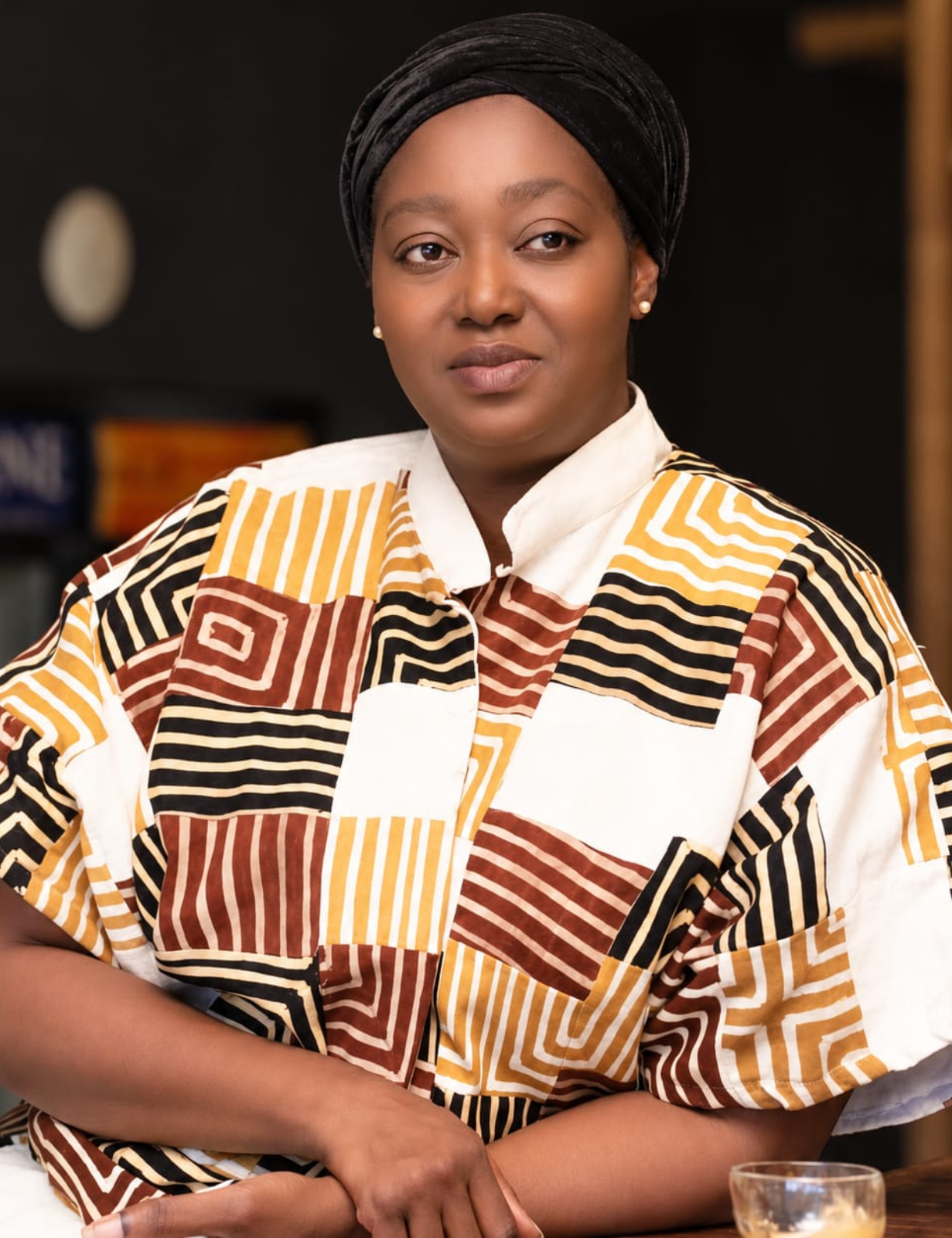





Moderator

Participants

Participants